World
‘Family values’ African charter condemned by rights groups as regressive and dangerous
System Voice
Listen to this article
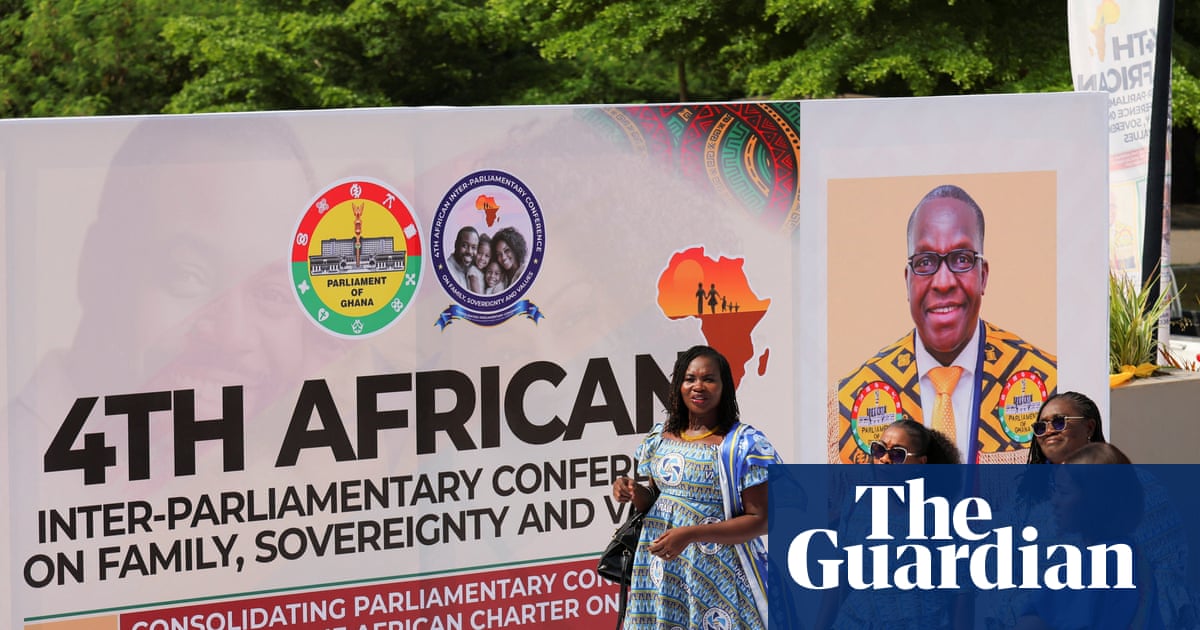
A contentious new African treaty, provisionally titled the African charter on family, sovereignty and values, has advanced towards formal policy adoption following recent governmental discussions in Ghana. This draft document has drawn significant criticism from various human rights organizations, which collectively denounce it as 'regressive and dangerous'. Central to the charter's controversial stance is its assertion that sexual and reproductive health and rights represent an 'existential threat' to the fabric of the African family unit.
The draft charter, details of which have been accessed by a leading publication, posits that African values and cultural norms are currently under severe assault from 'foreign ideologies'. Consequently, it strongly encourages member states to disengage from any international agreements that do not inherently conform to the charter's defined principles. A prominent example cited is the 2003 Maputo Protocol, an influential legal instrument designed to safeguard the reproductive and health rights of women and girls, while also advancing gender equality across the continent. Critics argue that withdrawing from such commitments would severely undermine progress made in these crucial areas.
The potential implications of this charter are far-reaching, sparking fears that it could roll back fundamental human rights and freedoms, particularly for women, girls, and LGBTQ+ individuals. Advocates for human rights emphasize that the charter's language regarding 'foreign ideologies' is a veiled attempt to legitimize discrimination and restrict access to essential health services and information. They highlight that true family values should encompass the protection and well-being of all individuals, ensuring access to comprehensive healthcare and promoting equality. The ongoing debate surrounding this charter underscores a broader ideological struggle between traditional interpretations of family and culture versus universal human rights principles within the African context. The global human rights community remains vigilant, expressing grave concerns over the potential for this charter to undermine long-standing international obligations and establish a troubling precedent for rights limitations.
Vocabulary Help
conform
to comply with rules, standards, or laws
obligations
legal or moral duties; requirements that one must fulfill
precedent
an earlier event or action that is regarded as an example or guide to be considered in subsequent similar circumstances
📝 Comprehension QuizLevel 3
1/3
What is the primary concern raised by rights groups about the new charter?
Want to test your understanding?
Generate a custom 5-question quiz for this article using AI. Focus on grammar, vocabulary, and comprehension.